Every year on February 2nd, Groundhog Day sparks curiosity about shadows—whether the groundhog will see its own and predict six more weeks of winter. But beyond folklore, shadows hold a profound place in art, shaping composition, depth, and storytelling in ways that go far beyond a simple weather prediction.
The Role of Shadows in Art
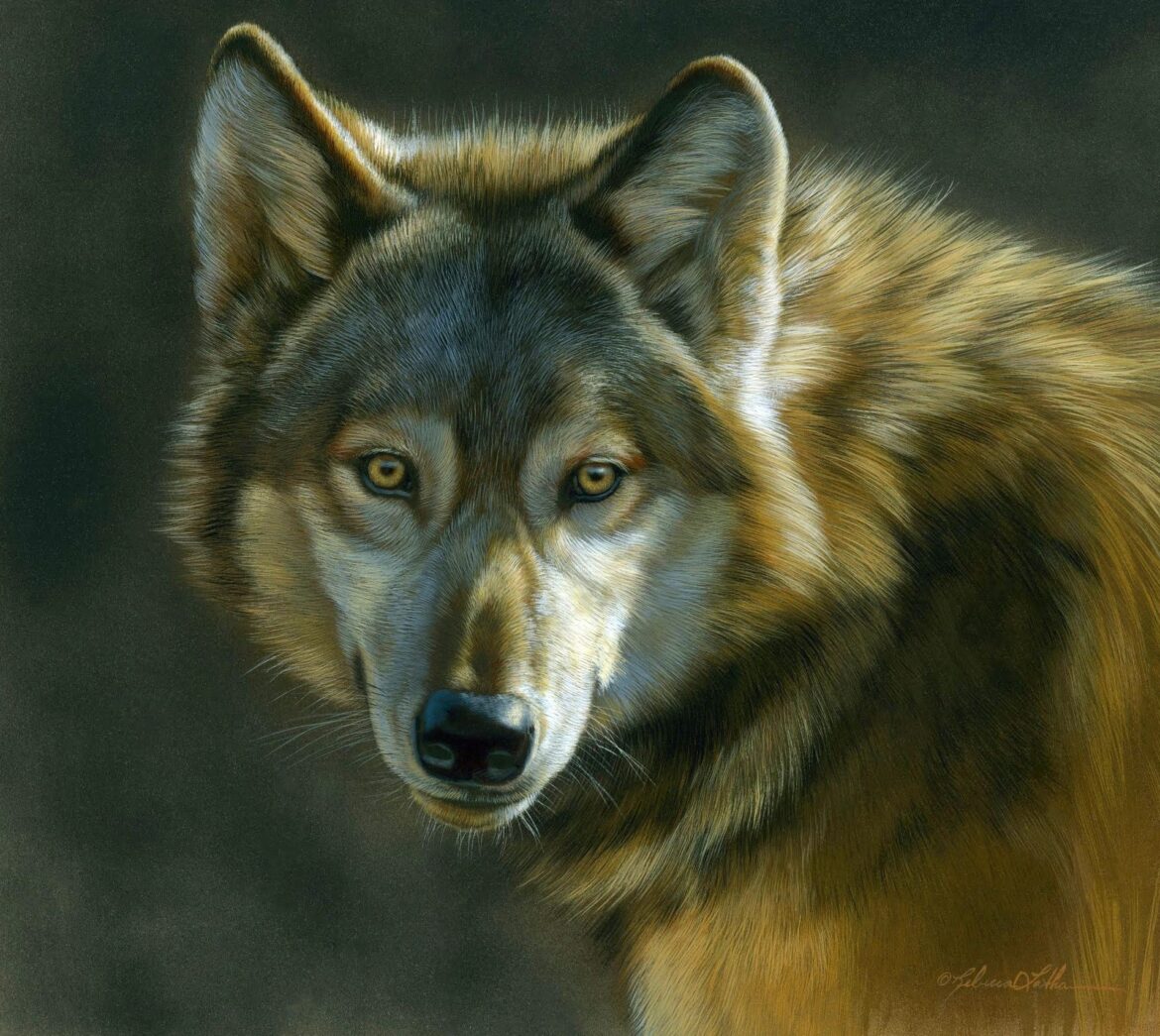
Shadows are more than just the absence of light—they are an essential tool for creating dimension, contrast, and mood. In wildlife painting, shadows help define form, giving animals a sense of weight and presence within their environment. The way light interacts with fur, feathers, and landscapes can transform a scene, adding drama or subtlety depending on the artist’s approach.
Groundhog Day serves as a playful reminder of how shadows influence perception. Just as the groundhog’s shadow determines the seasonal forecast, shadows in art shape the way we interpret a painting—whether it’s the soft glow of morning light or the stark contrast of a winter sunset.
Capturing Shadows in Wildlife Art
Painting shadows requires careful observation. The direction of light, the intensity of contrast, and the softness of edges all contribute to the realism of a piece. In winter scenes, shadows take on cooler tones, reflecting the crisp air and snow-covered ground. In warmer settings, shadows may carry hints of earthy hues, blending seamlessly into the landscape.
One of the most fascinating aspects of shadows is their ability to suggest movement and presence. A lone wolf’s shadow stretching across the snow, the delicate silhouette of a bird against the sky, or the quiet depth of a forest at dusk—all tell a story beyond the subject itself.
The Symbolism of Shadows
Beyond technique, shadows carry symbolic meaning in art. They can represent mystery, transition, or even the passage of time. In wildlife painting, shadows often hint at the unseen—whether it’s the presence of another animal just beyond the frame or the quiet solitude of nature.
Groundhog Day reminds us that shadows are not just fleeting shapes on the ground—they are integral to storytelling, perception, and artistic expression. Whether predicting the seasons or shaping a painting, shadows invite us to look closer, to see beyond the surface, and to appreciate the interplay between light and darkness.