Building Presence One Layer at a Time
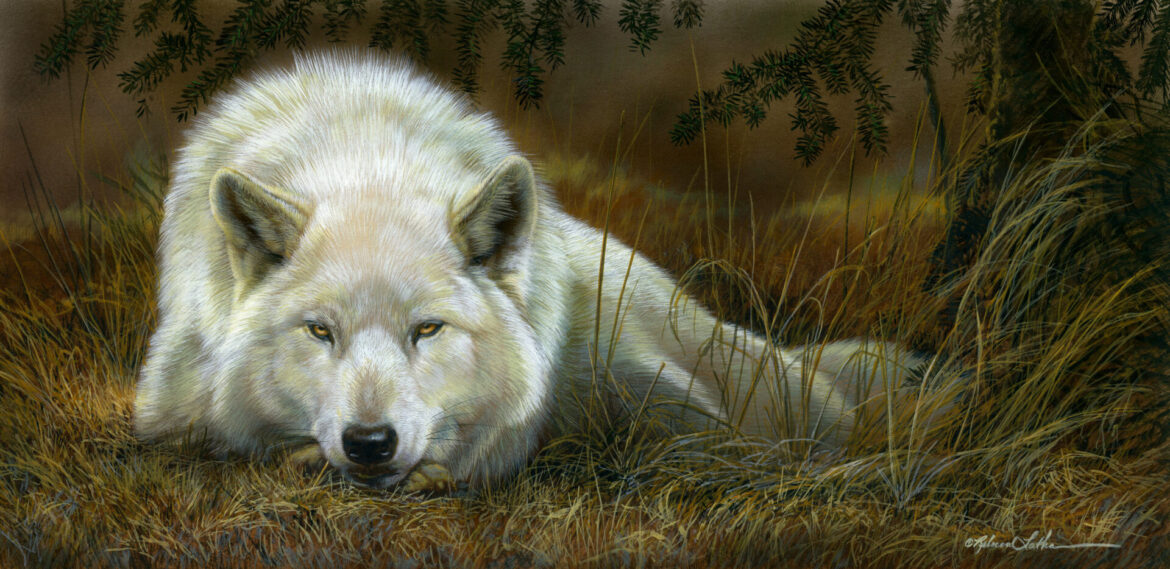
When painting wildlife, every stroke matters—not just in shape, but in meaning. My paintings in detailed realism, miniature painting, requires more than technique; it demands an understanding of how light interacts with fur, how subtle shifts in color create movement, how texture brings presence to life.
Capturing realism is a patient process. It begins with structure—blocking in soft undertones to define movement, mapping out details without overwhelming the composition. The first layers hold the essence of form, establishing depth before refinement begins. Each layer adds something essential. The brush moves deliberately, translating observation into texture, ensuring that when a subject emerges, it is not simply rendered—it is felt.
The Unseen Depth of Realism
There’s a misconception that realism is about precision alone—that the goal is to copy an image as exactly as possible. But true realism is about presence.
It’s the reason layers matter. The first wash of color may seem subtle, but it sets the foundation for everything above it. Shadow is built softly, shaping movement before details even begin. The finer strokes—delicate fur, sharp reflections in an eye—come last, placed only when the subject’s energy is fully established. Texture is where the art breathes. The movement within fur, the sharp contrast in feathers, the quiet glow of light against an animal’s gaze—these are the places where the painting truly comes alive.
The final touches are not about adding detail, but about ensuring that the subject’s presence lingers beyond the canvas.
Translating Observation into Brushwork
Untamed Splendor is built upon this approach—a collection shaped through careful layering, brushwork refinement, and the patience required to capture the essence of wildlife. Every painting in this exhibition follows the same principle: Depth before detail. Movement before texture. Presence before precision.
Realism is not just about seeing; it is about understanding. It is the study of light, the patience behind layering, the artistry required to ensure that even in stillness, the subject remains undeniably alive.