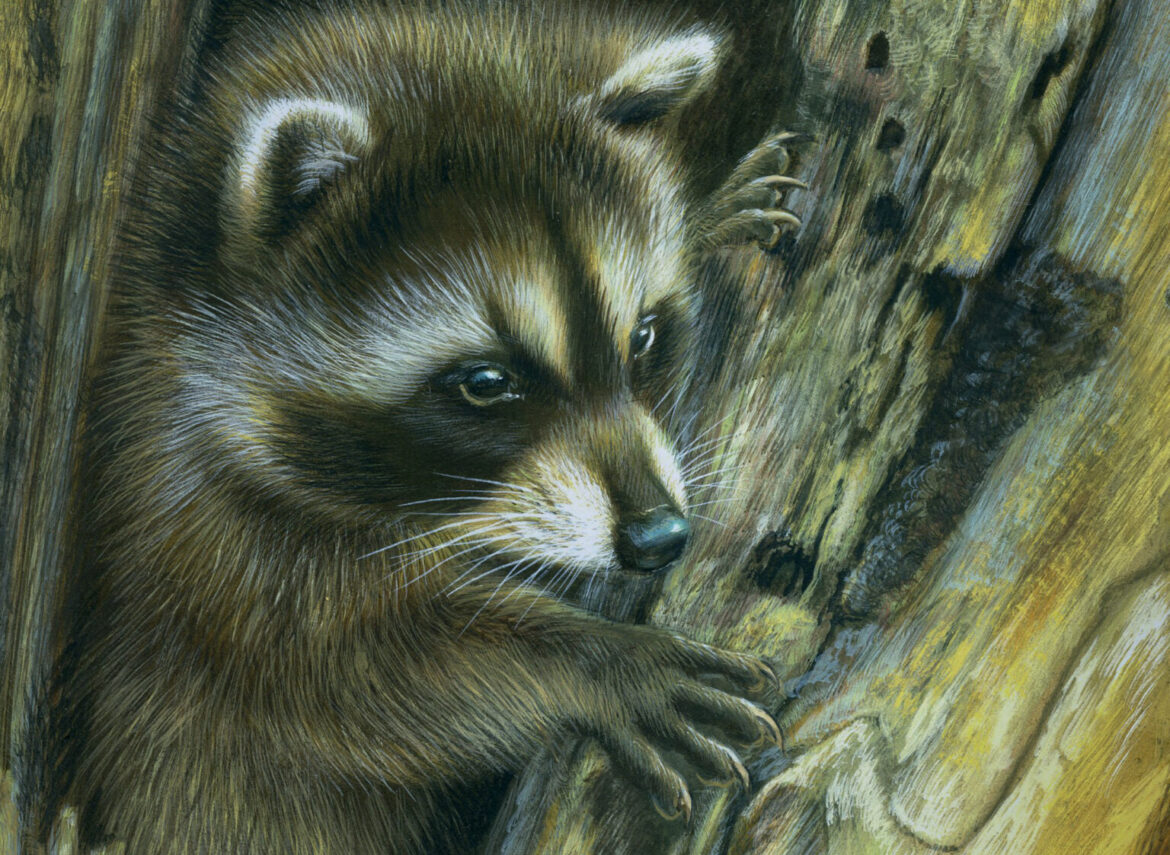
In my studio, painting has always been more than a means of creating images—it is a practice in presence, a form of meditation that grounds me in the here and now. The act of painting, with its rhythms and rituals, allows me to step away from the noise of daily life and immerse myself in the quiet world of observation and creation. Over time, I have come to see art not just as a product, but as a process that cultivates mindfulness and focus.
When I begin a painting, I enter a space where time seems to slow. Each brushstroke demands attention; the subtle play of light on fur or the delicate structure of a feather requires me to observe without distraction. This deep engagement with the subject—whether it’s the glint in a fox’s eye or the shifting colors of a woodland scene—draws me into the present moment. Research shows that this kind of mindful art-making can reduce stress, improve focus, and foster emotional balance, offering a gentle respite from the anxieties that so often fill our minds. In these moments, painting becomes a meditation, a way to quiet the inner chatter and simply be.
The benefits of painting as a meditative practice extend far beyond the studio. The focus and calm cultivated at the easel often linger, helping me approach other aspects of life with greater clarity and patience. Mindful painting encourages a non-judgmental awareness—an acceptance of both the process and the outcome. It is a reminder that art, like life, is about being present, embracing imperfection, and finding joy in the act of creation itself. Whether you are an artist or simply someone seeking a moment of peace, I encourage you to pick up a brush, slow your breath, and let the world fall away. In that quiet space, you may discover not only the beauty of nature, but a deeper sense of connection to yourself.