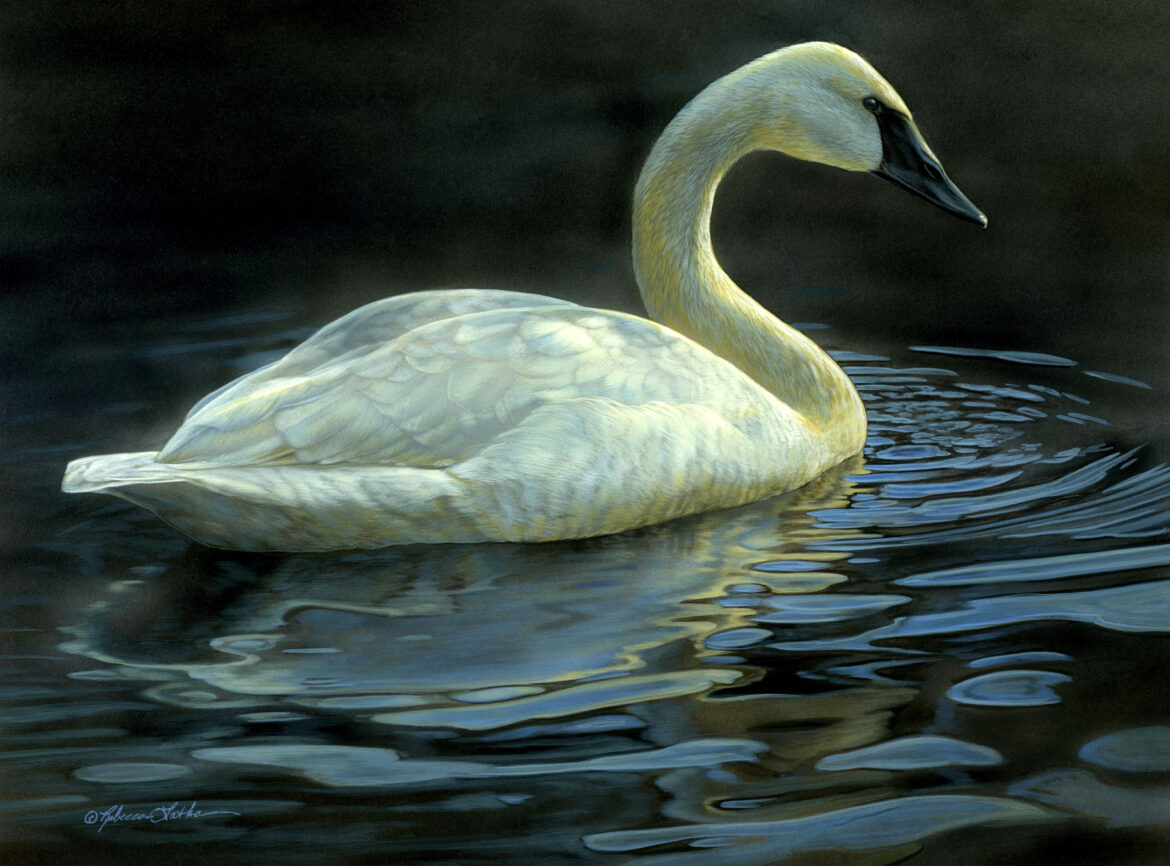
As I work at my easel, each brushstroke feels like a quiet act of preservation. Wildlife art, especially when rooted in realism, is more than a celebration of beauty—it is a living record of the wild places and creatures that still share our planet. In a world where so much of nature is under threat, I believe that art has a unique and powerful role to play in conservation.
Realistic wildlife painting invites viewers to pause and truly see the intricate details of a species or habitat—details that might otherwise go unnoticed or unappreciated. By capturing these moments with care and accuracy, artists can spark curiosity and wonder, drawing people closer to the natural world. This emotional connection is the foundation of stewardship; when we feel awe and empathy for wildlife, we are more likely to care about its fate and take action to protect it. Through exhibitions, prints, and public art, artists can highlight the urgent challenges facing ecosystems today, from habitat loss to climate change, and inspire meaningful conversations about conservation.
But the impact of wildlife art goes even further. Many artists use their work to directly support conservation initiatives—donating proceeds, collaborating with organizations, and advocating for policy changes that benefit wildlife and wild places. Art serves as both an educational tool and a call to action, helping people of all ages understand the importance of biodiversity and the interconnectedness of all life. In this way, each painting becomes more than an image; it becomes a voice for the voiceless, a visual reminder of what is at stake, and a catalyst for change.
Through my own paintings, I hope to preserve not just the likeness of the untamed world, but its spirit—reminding us all of the beauty, fragility, and irreplaceable value of the wild. Art has the power to keep these stories alive, to inspire new generations of conservationists, and to ensure that the untamed world endures, both on canvas and in life.