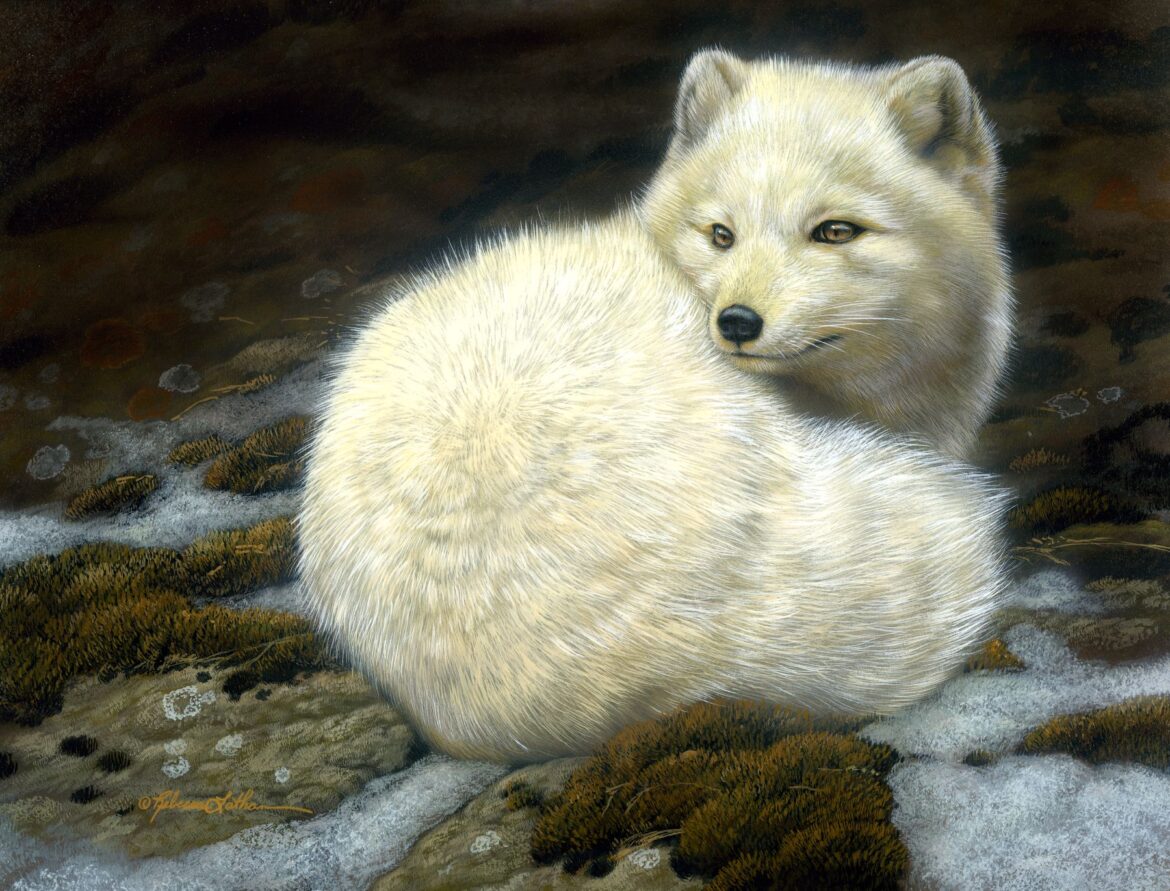
As a wildlife artist, I’ve often wondered what it is about realism that captivates us so deeply. Time and again, I see viewers pause before a lifelike painting, drawn in by the illusion of reality—sometimes reaching out, almost expecting to feel fur or feathers beneath their fingertips. There is something universally compelling about art that so closely mirrors life, and I believe it speaks to something fundamental in our psychology.
Realism, at its heart, is about connection. From the time we are children, we are naturally curious about the world around us. Lifelike art taps into that curiosity, inviting us to look closer and engage with the subject on a deeper level. When we see a painting that faithfully captures the glint in a fox’s eye or the delicate structure of a bird’s wing, our minds recognize and respond to the authenticity. This recognition creates a bridge between artist and viewer, allowing us to share in the experience of wonder, discovery, and even empathy for the living subject.
There’s also a sense of trust that realism inspires. In a world where so much is fleeting or filtered, a meticulously rendered painting feels honest and grounding. It reassures us that the world is still rich with detail and beauty, if only we take the time to notice. For many, realistic art offers a moment of stillness—a chance to slow down, reflect, and appreciate the intricacies of nature that might otherwise go unseen. It can even evoke nostalgia, reminding us of personal encounters with wildlife or cherished places in the outdoors.
On a deeper level, I believe our attraction to realism is rooted in our longing for connection—to nature, to each other, and to the stories that shape our lives. Lifelike art satisfies our innate desire to understand and relate to the world, while also sparking the imagination. It is both a mirror and a window: reflecting our own experiences and inviting us to see through another’s eyes.
For me, the psychology of realism is a reminder of why I paint the way I do. Each work is an opportunity to foster connection, invite curiosity, and celebrate the extraordinary in the everyday. In a world that often feels rushed and distracted, realism offers us the gift of presence—a gentle nudge to look, to feel, and to remember that we are part of a much larger, living story.