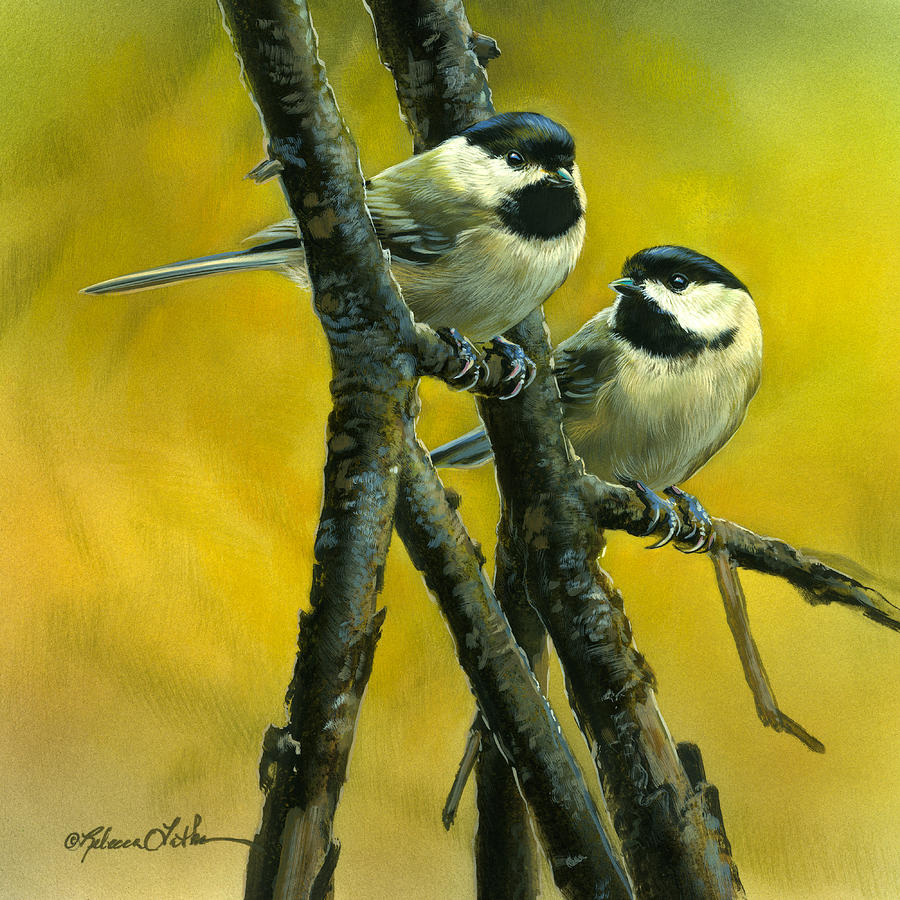
In a world that seems to move faster with every passing day, I find solace in the gentle, deliberate rhythm of painting. Each brushstroke is a quiet act of resistance against the rush—a way to reclaim time, presence, and meaning. The art of slowing down is not just a luxury for the artist; it is an essential part of my creative process and, I believe, a gift to anyone who chooses to truly look.
When I step into my studio, I leave behind the noise and demands of the outside world. The act of painting becomes a form of meditation, a practice in mindfulness that allows me to be fully present with my subject. I focus on the subtle transitions of color, the intricate textures of fur or feather, and the interplay of light and shadow. This slow, attentive process is where the magic happens. It is in these unhurried moments that I discover the nuances and stories that make each animal or landscape unique. Slowing down in this way not only deepens my connection to nature, but also infuses my work with authenticity and heart.
The benefits of this slower approach extend far beyond the studio. When we allow ourselves to linger with a painting—to look closely and let the details unfold—we begin to see with new eyes. This practice, often called “slow looking,” has been shown to reduce stress, improve focus, and foster a sense of well-being. It transforms art appreciation into a meditative event, encouraging us to savor each moment and to find joy in the act of observation. In a culture obsessed with speed and efficiency, embracing the rhythm of brushstrokes is a gentle reminder that quality and depth come from patience and presence, not from haste.
I invite you to join me in this quiet revolution. Whether you are painting, viewing art, or simply spending time in nature, give yourself permission to slow down. Notice the details, breathe deeply, and let the world reveal itself one brushstroke at a time. In this space of stillness, we rediscover the beauty and richness that so often slip by unnoticed—and we remember that, sometimes, the greatest art is found not in the finished piece, but in the mindful journey of its creation.