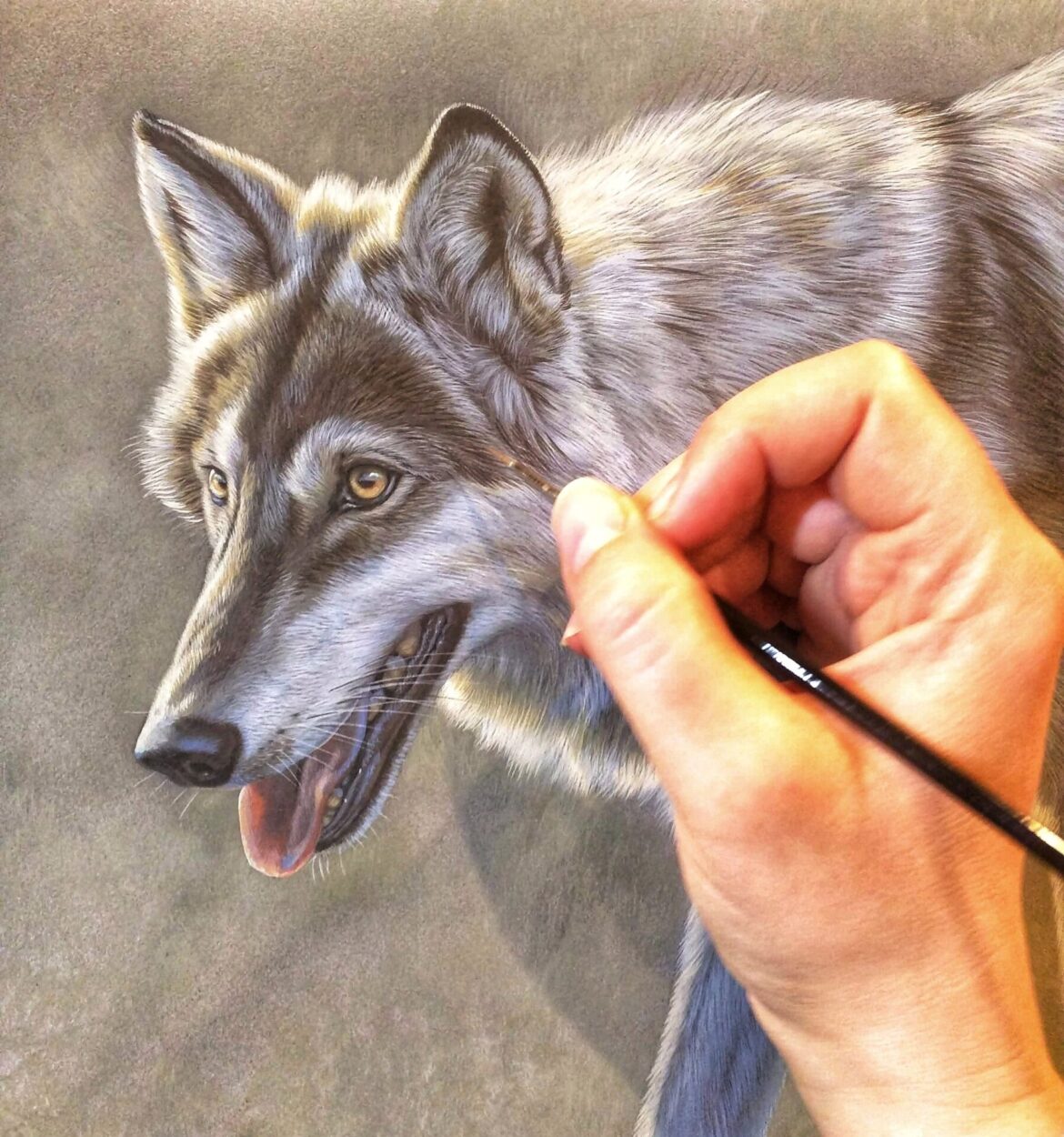
As I reflect on my own artistic journey, I am continually reminded that realism is far more than a style—it is a bridge that connects us, generation after generation, to the natural world. The enduring appeal of realism lies in its honesty, its reverence for detail, and its capacity to draw us into a deeper relationship with nature itself.
The roots of realism reach back to the earliest days of art, when our ancestors painted animals on cave walls in Lascaux and Altamira, capturing the essence of the wild with astonishing sensitivity. Over the centuries, artists have returned again and again to nature as their muse, evolving from the mythic symbolism of classical and medieval times to the scientific precision and emotional depth of the Renaissance and Enlightenment. By the nineteenth century, realism emerged as a movement dedicated to portraying the world as it truly appears, focusing on everyday life and the unembellished beauty of the natural world. This shift marked a profound change: art was no longer reserved for the idealized or the heroic, but became a celebration of the authentic and the ordinary.
What draws us to realism, I believe, is its ability to foster empathy and understanding. When we see a lifelike painting of a fox or a woodland scene, we recognize something true and familiar. The careful observation and technical mastery required to render fur, feather, or foliage with accuracy invites us to pause and look closer. In that moment, we are not just viewers—we become participants in the scene, sharing in the quiet drama of the natural world. Realism, in this way, is an act of respect: it honors the subject by seeing it fully, without distortion or embellishment.
This connection between art and nature is timeless because it speaks to a fundamental human longing—to belong, to understand, and to preserve. In a world that is ever-changing and often disconnected from the rhythms of the wild, realism offers us a way back. It reminds us of our place within the larger tapestry of life and encourages us to care for the world we depict. As artists, we become stewards as well as storytellers, using our craft to celebrate, document, and ultimately protect the beauty that surrounds us.
Realism endures because it is rooted in truth, curiosity, and wonder. Through each painting, we are invited to see nature not as a backdrop, but as a living presence—one that deserves our attention, our respect, and our care. In this enduring connection, art and nature remain forever intertwined.