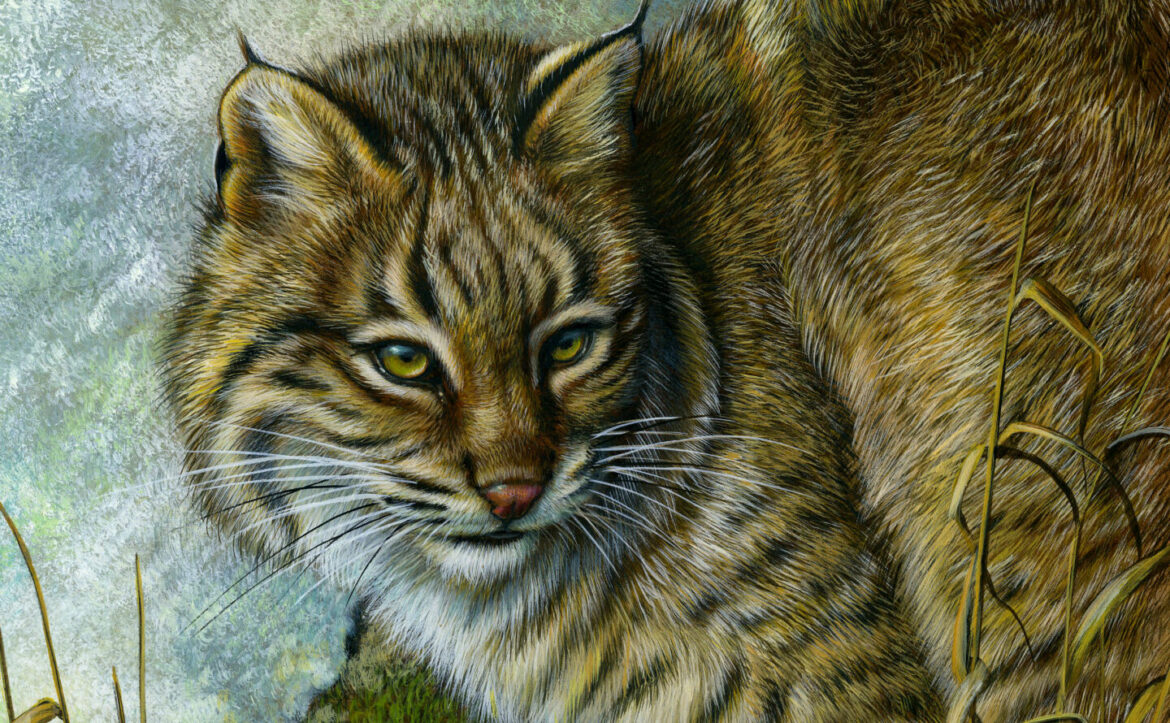
Painting Wildlife Not Just to Admire—But to Protect
Wildlife fine art is more than an artistic practice—it’s a way of keeping the presence of nature visible, ensuring that species remain seen, understood, and valued.
Every painting I create is rooted in observation—watching how an animal moves, understanding the rhythm of its existence, recognizing the balance it maintains within its habitat. But as much as fine art realism preserves these moments, it also highlights the reality that many of these landscapes are shrinking, many of these creatures face challenges beyond their mastery of survival. Through fine art, their presence is honored. Their stories remain vivid. Art becomes more than appreciation—it becomes awareness.
The Role of Fine Art in Species Awareness
A painting holds permanence in a way that fleeting encounters with wildlife often do not. It allows people to pause, to study the details of an animal’s stance, to connect with the quiet confidence it carries—even if they’ve never seen it in the wild.
I believe that realism in art has an undeniable role in conservation storytelling. By ensuring the mastery and presence of wildlife are faithfully depicted, we keep these species in public consciousness, ensuring their place in the natural world is not forgotten or overlooked. The beauty of fine art realism is in its ability to connect viewers to nature without distance, allowing them to engage with wildlife in a way that deepens appreciation and respect for the wild spaces these animals inhabit.
Wildlife Art as a Call to Preservation
Untamed Splendor is a collection shaped by these ideas—a series of works capturing the strength, awareness, and quiet mastery of wildlife, ensuring that each subject remains vivid beyond the landscapes they roam. Each unveiling is an opportunity to see beyond the canvas—to recognize not just the artistic precision, but the reality that these creatures and their environments need attention, protection, and continued stewardship.
Realism ensures that even as nature shifts, wildlife remains seen. Because when we preserve their presence in art, we strengthen the message that their place in the natural world is worth protecting.