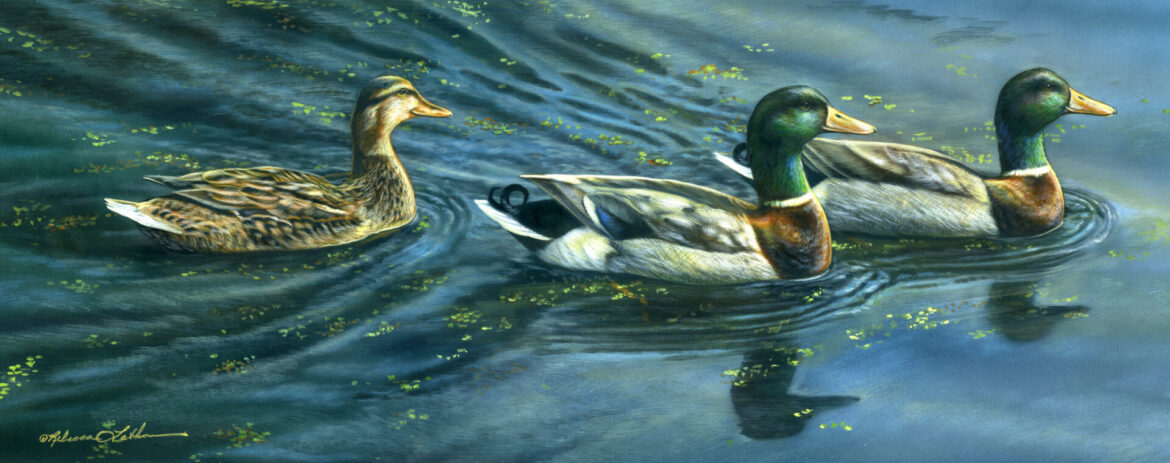
Art That Holds More Than Image—It Holds Presence
Realism of painting in miniature isn’t just about capturing detail—it’s about connection. The way an animal’s gaze lingers beyond the canvas, the quiet energy that radiates from posture, the unspoken mastery held in stillness—these elements draw viewers in, allowing them to step into the subject’s world.
There’s something deeply immersive about wildlife in art. It isn’t just about precision; it’s about preserving the emotional weight of a moment—the silent pause before movement unfolds, the awareness an animal carries in its stance, the way light and texture reveal presence.
Seeing Beyond the Brushstrokes
Painting wildlife isn’t about recreating what’s seen—it’s about understanding what’s felt. Observation plays a key role in this connection. Every subject carries an unspoken narrative—a quiet story told through posture, gaze, and interaction with its surroundings. The goal of my realism is to honor that presence, ensuring that viewers don’t just see an animal, but feel its rhythm, its awareness, its mastery of movement. This is why realism resonates so deeply—it allows viewers to engage not only with technique but with emotion, ensuring that every brushstroke carries meaning beyond the canvas.
Wildlife Fine Art as a Shared Experience
Untamed Splendor embraces this idea—each unveiling presents a subject designed to hold presence, allowing viewers to engage with its quiet intensity, its depth, its immersive realism. Art is not just a visual medium—it is an emotional bridge. Through realism in fine art, we preserve more than likeness; we preserve the energy, the rhythm, and the quiet authority of nature.
When a painting holds presence, it lingers—it remains vivid beyond the frame, ensuring that the connection between wildlife and art is never lost.