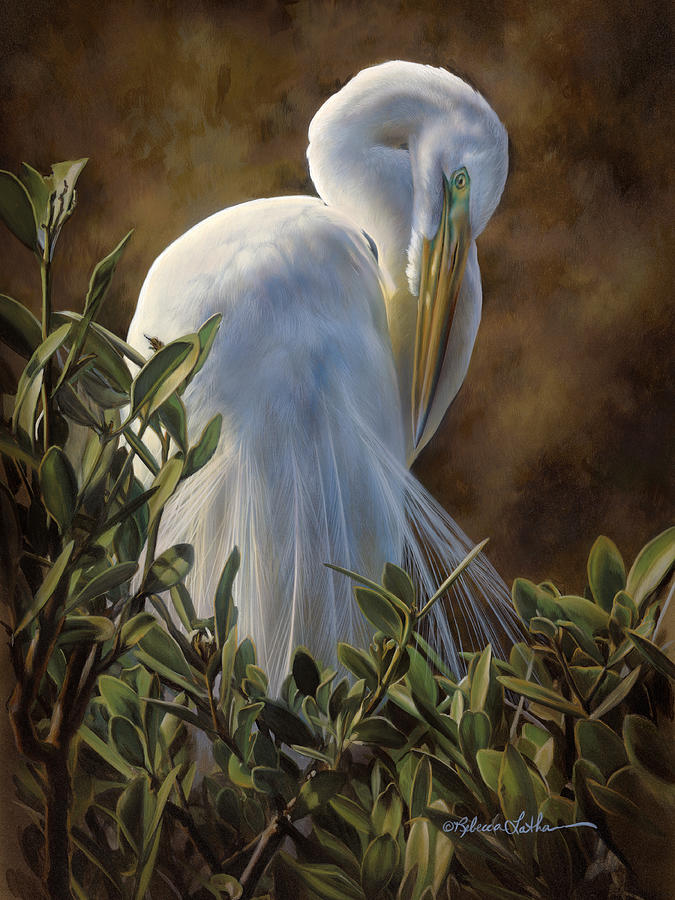
One of the most profound lessons I’ve learned at the easel is how wildlife painting is an invitation to be truly present. In our fast-paced world, it’s all too easy to overlook the quiet wonders of nature—the subtle shift of light on an animal’s fur, the alert tilt of a bird’s head, or the intricate patterns woven into a forest floor. Painting wildlife requires me to slow down, to observe deeply, and to immerse myself in each moment with my subject. This practice of focused attention is not just the foundation of my art—it’s a pathway to mindfulness and a richer way of seeing the world.
When I sit quietly in the field or in my studio, sketchbook in hand, I’m drawn into a dialogue with the wild. Every detail I notice—the twitch of a fox’s whiskers, the gentle sway of tall grasses—anchors me in the present. This mindful observation transforms both the art and the artist. It’s a meditative experience that quiets the mind and fosters a sense of calm, much like the effect that viewing animal art can have on those who bring it into their homes. The act of painting, with its rhythmic brushstrokes and careful layering, becomes a form of meditation, helping to reduce stress and cultivate a peaceful state of mind.
Through wildlife painting, I’ve also discovered how perception deepens with practice. The more I engage with my subjects, the more I notice—the subtleties of posture, the play of light, the relationships between animals and their environment. This heightened awareness doesn’t just make for better art; it enriches my daily life, allowing me to find beauty and meaning in the smallest moments. I believe that anyone can cultivate this presence and perception, whether through creating art, spending time in nature, or simply pausing to notice the world around them. Wildlife painting, for me, is a gentle reminder to slow down, look closely, and cherish the fleeting wonders that surround us every day.