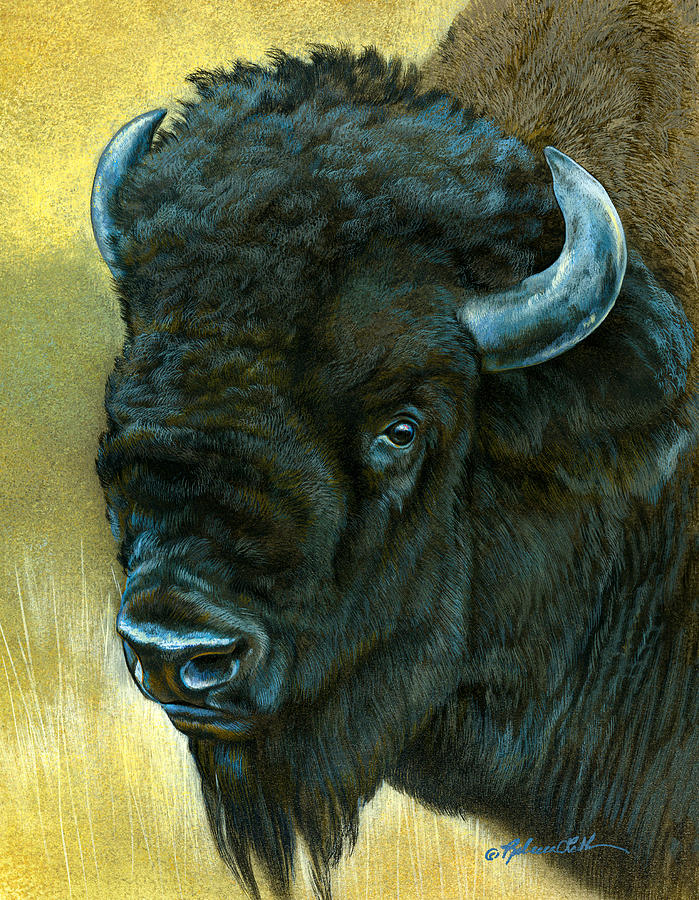
As a wildlife artist, I have witnessed firsthand the unique power of art to open hearts and spark meaningful conversations about the natural world. Art transcends language and background, offering a universal way to connect people with the beauty, complexity, and vulnerability of wildlife and wild places. In a time when our planet’s biodiversity faces unprecedented threats, I believe that art is not just a reflection of nature—it is a vital force for conservation awareness and action.
One of the most profound impacts of wildlife art is its ability to foster emotional connections. A lifelike painting of a fox, a soaring eagle, or a herd of elephants does more than decorate a wall—it invites viewers to pause, reflect, and feel. These emotional responses can be the catalyst for deeper engagement, inspiring curiosity and concern for species and habitats that might otherwise remain abstract or distant. Through detailed and realistic depictions, art helps people appreciate the intricacies of nature, making the case for conservation on a deeply personal level.
Art also serves as a powerful educational tool. By portraying animals in their true environments and highlighting the delicate balance of ecosystems, artists provide insights into the lives and challenges of wildlife. Many of us spend countless hours researching our subjects, ensuring that each painting is not only beautiful but also accurate and informative. These visual narratives can communicate complex conservation issues more effectively than words alone, making them accessible to a wider audience—including children and those who may not have direct access to wild places.